
秀米
China turns tennis tournaments into tourism magnet as cities package matches with culture, food and city experiences_我的网站

A |
一键部署OpenClaw 过去十几年,做网站优化的逻辑很简单——盯着关键词排名、盯着搜索结果页的排名位置、盯着点击率。
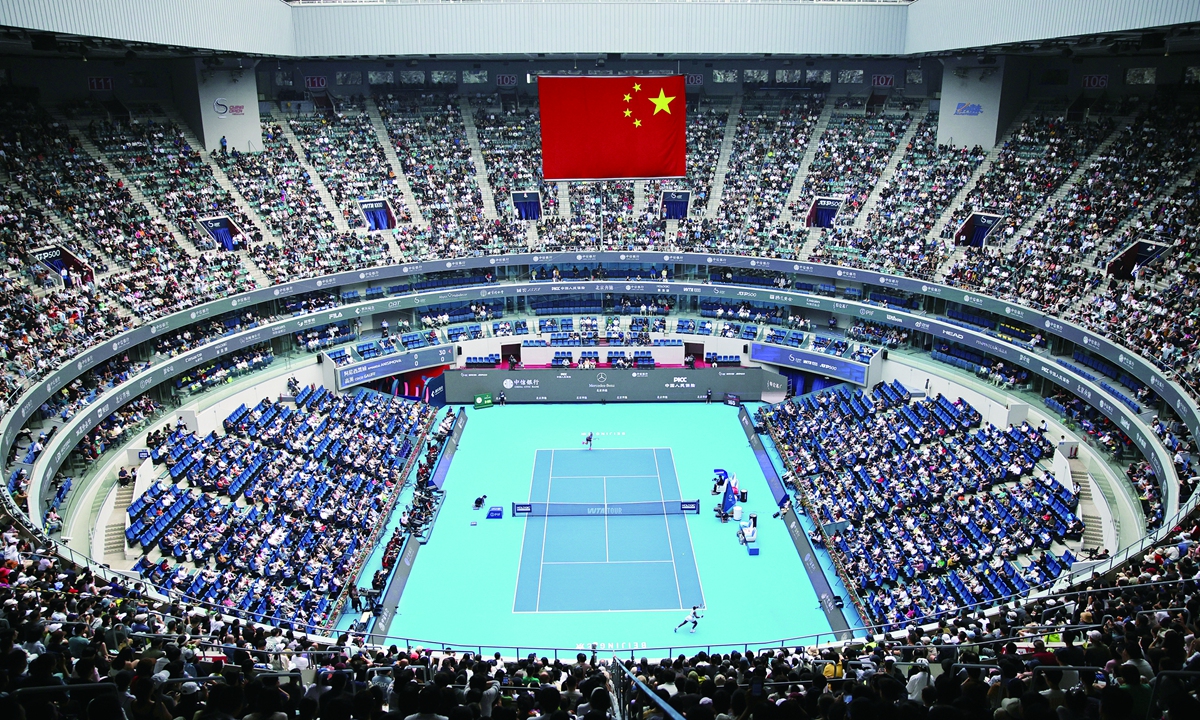
As international tennis tournaments multiply across China this autumn, organizers are increasingly looking beyond the court, seeking to turn a trip to a tournament into a broader travel experience.
The 2026 Chinese tennis season, starting in September, will bring a series of international events to cities including Chengdu, Hangzhou and Suzhou besides flagship events in Beijing and Shanghai.
The growing concentration of tournaments is giving Chinese cities a chance to connect sporting events with local consumption, cultural activities and tourism.
Shanghai offers perhaps the clearest example of how that strategy is developing.
In 2025, the Shanghai Masters attracted more than 250,000 spectators, with about 10 percent coming from overseas and 60 percent from outside Shanghai, according to the Shanghai municipal government. The tournament also generated more than 100 million yuan ($14.8 million) in ticket revenue.
The figures have encouraged organizers and city authorities to think beyond the traditional model of selling a ticket to a tennis match.
During this year's Shanghai Masters, ticket packages will include options combining matches with direct transportation, family experiences and visits to other Shanghai attractions, the organizers have announced.
The approach fits into Shanghai's broader effort to use major sporting events to attract international visitors.
The experience in Shanghai suggests that the relationship between tennis and tourism can work in both directions: a tournament brings people to a city, while the city gives spectators reasons to stay longer and spend money beyond the stadium.
For host cities, making tennis more than a sporting event can also serve as a platform for destination marketing, particularly when the event attracts an international audience.
Sports tourism can offer cities something that conventional sightseeing does not, according to tennis commentator Chen Chi.
"Tennis events can activate destinations and build recognizable identities," Chen told the Global Times. "The international player base and global fan following of tennis give host cities an audience well beyond their local audiences, which is widely seen at the Grand Slam events."
The challenge now is to make those visitors stay longer and explore more of the host city. That is where the "ticket plus" model comes in.
Rather than simply asking visitors to buy a match ticket, organizers are increasingly packaging the tournament with hotels, transportation, attractions and other experiences.

Culture matters
In Suzhou, East China's Jiangsu Province, organizers of the WTA 125 Suzhou Open are trying to connect the tournament with the city's existing cultural resources.
Zhou Yunsong, tournament director of the Suzhou Open, said the timing gives spectators an opportunity to combine a tennis trip with a holiday as it partially overlaps with the annual National Day holidays.
"For our spectators, this is a rare opportunity to combine watching tennis with travel. For domestic tennis fans, they don't have to take time off work as they normally would," Zhou told the Global Times.
The tournament venue, the Yangcheng Lake International Tennis Center, is located near several cultural and commercial areas in Suzhou.
The event has also introduced a hotel-and-tennis package, while organizers have arranged cultural experiences for players, including visits to Suzhou's gardens and local cultural venues.
"To give players an immersive experience of Suzhou's charm, we have planned a range of cultural activities, including visits to the Suzhou Museum, tasting authentic Suzhou cuisine, listening to Kunqu Opera, trying on traditional Chinese qipao and visiting embroidery workshops," Zhou noted.
Zhou sees a broader change in the way people plan trips.
"Traveling to sporting events is becoming a choice for more and more people," he said. "In the past, tourism was about sightseeing - going to a destination, taking photos and checking in. Now, especially among younger generations, people are more inclined to take themed trips."
The idea, he said, is to use the tournament as the starting point for a much wider city experience.
"We hope Suzhou can, with the professional tournament at its core, connect all of Suzhou's tourism resources, including its food, gardens, water towns and shopping, so that visitors can travel around the city for the sake of one match."
Players as ambassadors
For international tennis, this model has another potential advantage: The players themselves can become part of a city's tourism promotion.
Beijing, for instance, is bringing the players themselves into the tourism story. Li Xuhua, general manager of the China Open, said the tournament plans to give players more opportunities to experience the city.
Current world No.1 Jannik Sinner is among the players who are invited to participate in a hutong (traditional alleyway) tour during his stay in Beijing, Li told the Global Times.
The China Open is also expanding its off-site activities this year.
Li said the tournament will work with the local government to establish more match-watching venues in major commercial areas, allowing people to experience the tournament outside the main tennis center.
"The information from the tennis court can go out and reach people around the city," Li said.
For organizers such as Li, the goal is to make the tournament a broader part of the city's cultural and public life.
"We want this rare tennis carnival to be richer and more colorful, and to give fans more time to experience the appeal of tennis," Li said.
The emerging model is still at an early stage as different event organizers are exploring their own strategies. But the direction is becoming clearer: Tournaments are being used not only to fill seats in stadiums, but also to promote cities as travel destinations.
。运营每天看SERP波动,写手追着关键词密度抠字眼,外链团队忙着换友情链接。 但这两年,很多团队发现了一个怪现象:关键词排名还在首页,整体流量看着也还行,可真正有效的咨询和成交却在下滑。 搜索引擎没变差,变的是用户的检索习惯。 越来越多的用户不再从传统搜索框开始,而是直接打开ChatGPT、Perplexity、豆包、Kimi这些AI工具,问一个完整的问题,直接得到总结、比较和推荐。AI把多个网站的信息整合成一个答案,很多决策在答案层面就完成了,用户根本不需要再点进任何网站。 这就是2026年搜索生态最大的变化。 那问题来了:SEO还有用吗?新冒出来的GEO又是什么? SEO,优化的是“排名” SEO的全称是搜索引擎优化,核心工作是跟传统搜索引擎的爬虫、索引系统和排序算法打交道。你要做的是让网站结构清晰、内容主题明确、页面加载够快、外链质量够高。

B | 最终目标就一个——让用户在搜索某个关键词时,你的页面排得靠前一点。 简单说,SEO抢的是搜索结果里的“流量位置”。 GEO,优化的是“引用” GEO的全称是生成式引擎优化,面向的是ChatGPT、Perplexity、豆包这些生成式AI引擎。它的目标不是让页面排第几,而是让你的内容出现在AI生成的答案里、被AI引用。

C | 为什么会出现GEO这个概念?因为在AI搜索时代,用户问一个问题,AI直接给出一段综合回答,只在答案里顺手标注引用了谁。你要么出现在那个答案里,要么就“不存在”。

D | SEO抢的是“流量位置”,GEO抢的是“AI回答里的信任票”。 不是谁取代谁,而是两条腿走路 很多人喊“SEO已死,GEO万岁”,这其实是个误解。

E | Google官方在2026年5月发布的指南里明确说了:SEO最佳实践依然是利用生成式AI功能取得成功的基石。有数据显示,AI引用的内容里,68%同时排在传统搜索引擎的前10名。 换句话说,传统SEO排名是地基,GEO是在地基上盖楼。地基没打好,风口一来,楼先塌了。 2026年做网站优化,正确的姿势是“SEO+GEO双引擎”——既要让传统搜索引擎愿意给你好排名,也要让AI引擎愿意在答案里引用你。
申请创业报道,分享创业好点子。点击此处,共同探讨创业新机遇!。
Current article:http://oh8.yindabobiehonggaonumiao.bond/list_nlxw/85tcz.html
Published on:13:15:02


